The Art of Traveling Light: Mastering Minimalist Packing in the Modern Age

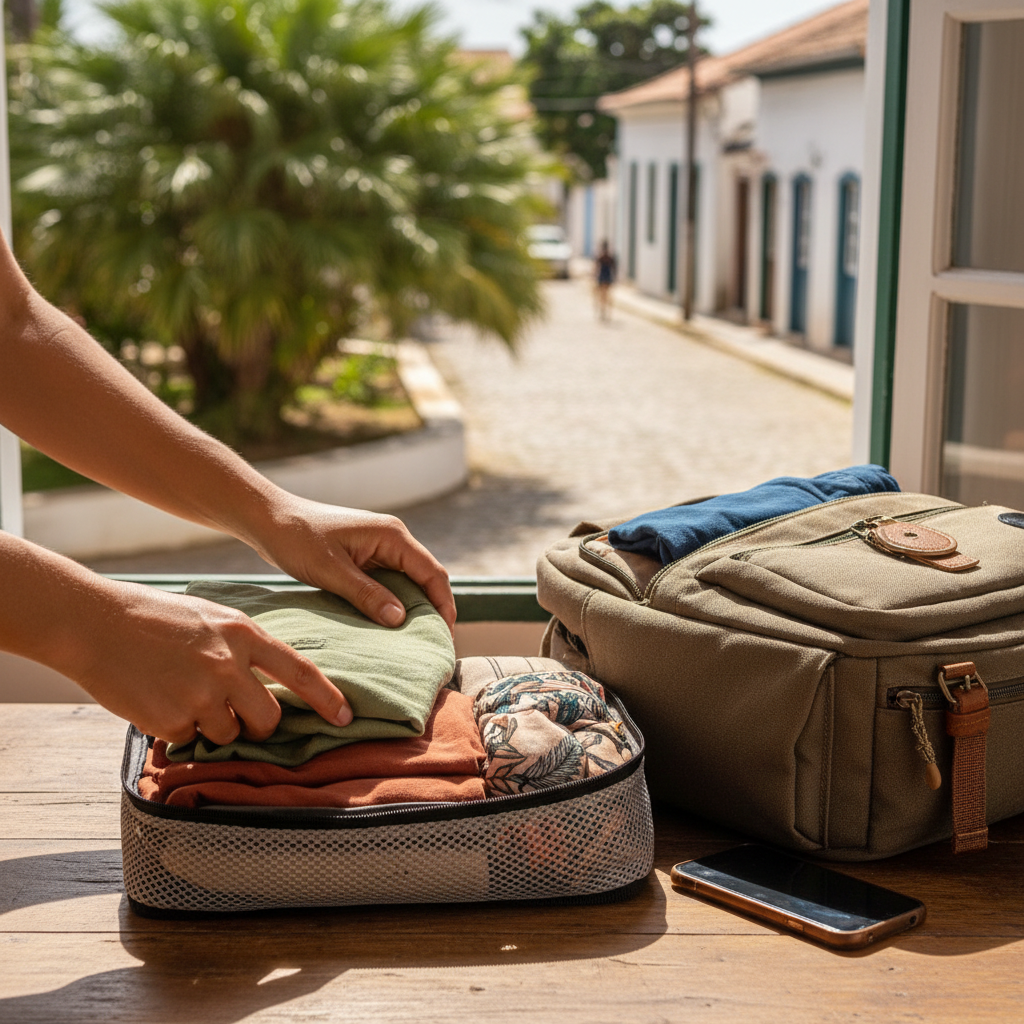
In an era defined by efficiency, sustainability, and ever-evolving travel dynamics, the ability to pack light has transcended mere convenience to become a critical travel skill. Gone are the days when a mountain of luggage was a badge of honor; today, a sleek, compact carry-on is the mark of a seasoned traveler. As airlines increasingly nickel-and-dime passengers with hefty baggage fees and airport security lines grow longer, the imperative to minimize what we bring has never been stronger. This article delves into the contemporary landscape of minimalist packing, offering actionable strategies, insights, and a fresh perspective on how to maximize space, avoid fees, and embrace the freedom of traveling unencumbered.
The global travel industry has seen significant shifts, particularly in the United States, where the average domestic round-trip airfare has fluctuated, but ancillary fees, especially for checked baggage, have become a consistent revenue stream for carriers. According to recent reports, U.S. airlines collected billions of dollars in baggage fees annually, a trend that underscores the financial incentive for travelers to pack smarter. Beyond the financial implications, the psychological and practical benefits of light packing — from easier navigation through bustling terminals to greater flexibility in spontaneous adventures — are undeniable. This isn’t just about saving money; it’s about enhancing the entire travel experience.
Understanding the Modern Travel Landscape: Why Packing Light is Non-Negotiable
The current travel environment presents a compelling case for shedding excess baggage. Several factors contribute to this paradigm shift, making minimalist packing not just a preference but often a necessity for a smooth journey.
The Era of Ancillary Fees and Budget Airlines
The rise of budget airlines and the unbundling of services by traditional carriers have fundamentally altered how we pay for air travel. What was once included in the ticket price – such as checked baggage – is now an add-on, often at a significant cost. For instance, a domestic flight within the U.S. might charge $30-$40 for the first checked bag and significantly more for subsequent or overweight bags. Internationally, these fees can escalate rapidly. These charges can quickly erode any savings gleaned from a cheap airfare, making a carefully packed carry-on a financially astute choice.
Security Checkpoints and Streamlined Processes
Navigating airport security, especially at major U.S. hubs like Hartsfield-Jackson Atlanta or LAX, can be a time-consuming ordeal. Traveling with just a carry-on and a personal item often means bypassing the baggage drop-off line, reducing the overall time spent in the airport. While TSA PreCheck and Clear aim to expedite security, minimizing items that need to be screened individually (laptops out, liquids in a separate bag) also contributes to a smoother, faster experience.
Flexibility and Convenience on the Go
Imagine effortlessly transitioning from a plane to a train, or easily navigating cobblestone streets without dragging a cumbersome suitcase. Light packing grants unparalleled flexibility. It allows for more spontaneous decisions, like accepting a last-minute invite to a friend’s road trip or quickly changing accommodation without the burden of heavy luggage. This convenience extends to public transportation, rideshares, and even simply walking from a station to your hotel. The physical freedom translates to mental freedom, allowing travelers to focus on the experience rather than the logistics of their belongings.
Sustainability and Conscious Travel
As environmental awareness grows, conscious travel practices are gaining traction. Packing light indirectly contributes to sustainability. Less weight on an airplane means less fuel consumption, reducing the carbon footprint of air travel. Furthermore, a minimalist approach often encourages mindful consumption, leading to fewer impulsive purchases of travel gear and clothing, thus supporting a less consumerist lifestyle.
Strategic Planning: The Foundation of Light Packing
Successful minimalist packing doesn’t happen by chance; it’s the result of deliberate planning and smart decision-making before you even open your suitcase.
Destination and Duration Analysis
Before packing a single item, thoroughly research your destination. What will the weather be like? What activities are you planning? Are there cultural norms regarding dress code? A week-long trip to Miami Beach requires a vastly different wardrobe than a business trip to New York in winter or a hiking adventure in the Rockies. Be realistic about your activities and the climate. For multi-climate trips, layering is key.
The Capsule Wardrobe Approach
Embrace the concept of a capsule wardrobe. Select a limited number of versatile clothing items that can be mixed and matched to create multiple outfits. Stick to a coherent color palette (e.g., neutrals with one or two accent colors) so that every top can go with every bottom. Prioritize quick-drying fabrics, especially for longer trips or if you plan to do laundry on the go. Merino wool, for instance, is excellent for its odor resistance and temperature-regulating properties, making it ideal for multi-day wear.
The “Wear One, Pack Two” Rule
A good starting point for clothes is the “wear one, pack two” rule for most items. For example, wear one pair of pants/jeans, pack two others. Wear one shirt, pack two or three others. Adjust this based on trip duration and access to laundry facilities. Underwear and socks might be an exception, where you pack one for each day plus a spare. Think about outfits rather than individual items. Can you create 5 distinct outfits from 3 tops and 2 bottoms? If so, you’re on the right track.
Mastering the Art of Packing: Techniques and Tools
Once you’ve decided what to bring, how you arrange those items in your bag is just as crucial. Effective packing techniques can significantly increase available space.
Rolling vs. Folding vs. Compression
The debate over rolling versus folding often comes down to personal preference and fabric type. Many seasoned travelers swear by the rolling method, claiming it minimizes wrinkles and maximizes space. Tightly rolled clothes take up less surface area, allowing you to fit more items into gaps. Folding can be effective for structured garments that might wrinkle more easily when rolled. However, for true space-saving, compression methods are unparalleled. Compression packing cubes or vacuum-seal bags (manual ones are best for travel, as you won’t always have a vacuum cleaner) can reduce the volume of bulky items like sweaters or jackets by up to 50%.
The Power of Packing Cubes
Packing cubes are a game-changer for organization and compression. They allow you to categorize your belongings (e.g., shirts in one cube, pants in another, underwear/socks in a third) and compress them efficiently. This not only saves space but also makes it incredibly easy to find what you need without rummaging through your entire bag. Upon arrival, you can simply transfer cubes directly into drawers, keeping your items neat and accessible.
Strategic Footwear Choices
Shoes are notoriously bulky. Limit yourself to a maximum of three pairs: the pair you wear on the plane (typically your bulkiest), a versatile dressier option, and a casual/athletic pair. Choose shoes that are comfortable for walking and multi-purpose. Wear your heaviest shoes during travel to free up space and weight in your bag. Stuff socks or small items into your packed shoes to utilize their internal space.
Toiletries: Miniaturize and Consolidate
For toiletries, the TSA’s 3-1-1 rule (3.4 ounces/100 milliliters per container, fitting in one quart-sized bag, one bag per passenger) is your guiding principle for carry-on liquids. Invest in reusable travel-sized containers and decant your favorite products. Consider solid alternatives like shampoo bars, conditioner bars, solid toothpaste tabs, or stick deodorants to bypass liquid restrictions altogether. Many hotels provide basic toiletries, so assess what you truly need versus what can be acquired or used at your destination. A compact, hanging toiletry bag can also be very efficient.
Leveraging Technology for Lighter Travel
Modern technology offers myriad solutions for reducing the physical items we carry, transforming our packing list from analog to digital.
Digital Documents and Entertainment
Gone are the days of needing paper tickets, maps, guidebooks, and stacks of magazines. Your smartphone or tablet can consolidate all of this. Store boarding passes, hotel reservations, car rental agreements, and itineraries digitally. Download e-books, podcasts, movies, and music before your trip to save on data and ensure entertainment during transit. Google Maps and other navigation apps eliminate the need for physical maps. Many travel apps also provide local recommendations, currency converters, and language translation, further reducing the need for physical items.
Portable Power and Connectivity
While technology helps lighten your load, it also requires power. A universal travel adapter with multiple USB ports can replace several individual chargers. A high-capacity power bank (ensuring it complies with airline carry-on regulations regarding lithium-ion batteries) is essential for keeping devices charged on the go, especially when outlets are scarce. Consider a portable Wi-Fi hotspot or an eSIM for reliable internet access, avoiding the need for physical SIM cards or expensive roaming plans.
Wearable Tech and Smart Devices
Smartwatches can track fitness, display notifications, and even serve as a boarding pass in some cases, reducing the need to constantly pull out your phone. Portable smart cameras (like GoPros) offer high-quality photo and video capabilities in a compact form, often negating the need for bulkier DSLRs unless professional photography is the primary purpose of your trip.
The Mindset Shift: Embracing the Minimalist Traveler
Packing light is as much a psychological endeavor as it is a practical one. It requires a fundamental shift in how we perceive our belongings and our travel needs.
Challenging “Just in Case” Thinking
The biggest hurdle for most people is the “just in case” mentality. “What if it gets cold?” “What if I need a fancy outfit?” “What if I run out of clean clothes?” While prudent to prepare for likely scenarios, over-preparing for improbable ones leads to overpacking. Be realistic. If a truly unexpected need arises, can you purchase or borrow the item at your destination? Often, the answer is yes, and the cost might be less than the hassle and fees of carrying it “just in case.” Embrace the idea that you can buy or rent something locally if an absolute emergency arises.
Prioritizing Experience Over Possessions
Shift your focus from what you bring to what you will experience. The memories and adventures are what truly matter, not the number of outfits you wore or the gadgets you brought. A lighter bag frees you to be more present, agile, and open to spontaneous opportunities.
Post-Trip Reflection and Adjustment
After each trip, critically evaluate what you used and what remained untouched. Did you wear every item of clothing? Did you use all your toiletries? Were there items you wished you had? Use these insights to refine your packing list for future trips. This iterative process is key to becoming a true master of light packing.
Overcoming Common Obstacles and Addressing Special Considerations
While the principles of light packing are universal, certain scenarios require specific adjustments.
Business Travel: Professionalism without Bulk
For business trips, maintaining a professional appearance is paramount. Opt for wrinkle-resistant fabrics like merino wool, travel-friendly blends, or performance synthetics for suits, shirts, and dresses. A garment folder can help keep formal wear crisp. Choose versatile pieces that can be dressed up or down. A single blazer can elevate multiple outfits. Stick to a neutral color palette to maximize mix-and-match potential.
Family Travel with Children: The Ultimate Challenge
Traveling with kids is often seen as the antithesis of light packing. However, even here, strategies apply. Coordinate outfits for children to minimize individual items. Utilize multi-functional items (e.g., a scarf that doubles as a blanket or head covering). Pack small toys and books, prioritizing those that offer extended entertainment. For babies, consider buying diapers and wipes at your destination rather than packing a bulky supply. Many destinations offer laundry services, or consider hand-washing smaller items.
Adventure and Outdoor Trips: Balancing Gear and Weight
Adventure travel often necessitates specialized gear. The key is to select multi-functional, lightweight, and packable versions of equipment. For example, a travel towel is lighter and dries faster than a regular one. Choose clothing designed for layering. Research gear rental options at your destination for bulky items like skis or climbing equipment. Always prioritize safety and essential gear, but scrutinize every item for its necessity and weight.
Souvenirs and Shopping: Planning for the Return Trip
If you anticipate buying souvenirs or doing some shopping, factor this into your initial packing. Leave a little empty space, or consider packing a lightweight, foldable duffel bag that can serve as a secondary bag for your purchases (to be checked if necessary on the return journey). Alternatively, ship larger items home from your destination to avoid baggage fees.
Considerações Finais
Mastering the art of traveling light is an ongoing journey, not a destination. It’s a skill honed through experience, mindful decision-making, and a willingness to challenge conventional packing habits. In the current travel climate, where efficiency and cost-effectiveness are paramount, embracing minimalist packing offers a multitude of benefits, from saving money on baggage fees to enhancing your overall travel experience with unparalleled freedom and flexibility. By adopting strategic planning, efficient packing techniques, leveraging technology, and cultivating a minimalist mindset, you can transform your travels from a logistical burden into a seamless, enriching adventure. The goal is not to travel with nothing, but to travel with everything you need, and nothing more, allowing you to fully immerse yourself in the world around you.