International Travel Documents Checklist: A Guide for US Citizens Venturing Abroad

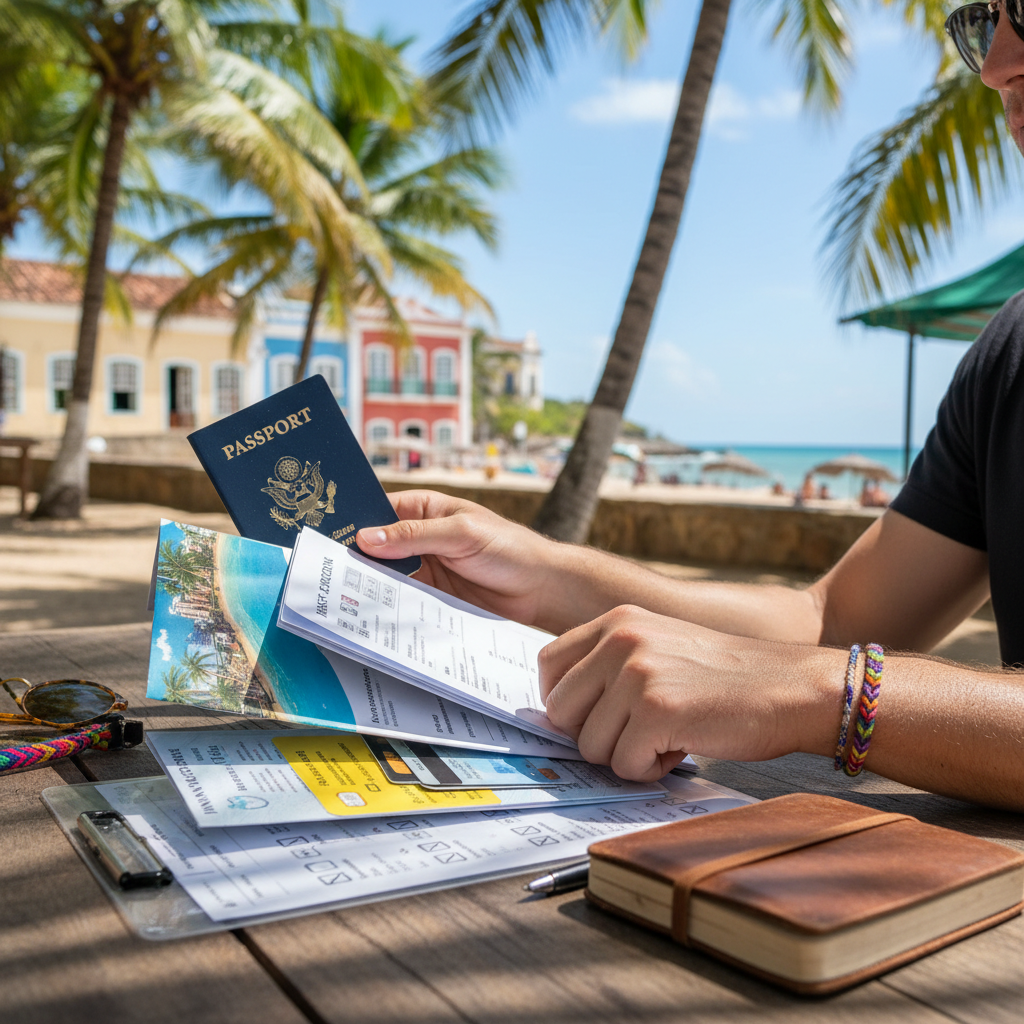
Embarking on an international adventure is an exhilarating prospect, brimming with new cultures, breathtaking landscapes, and unforgettable experiences. However, the excitement of planning a trip abroad must be tempered with meticulous preparation, especially when it comes to your essential travel documents. For U.S. citizens, navigating the requirements for entry into foreign countries demands careful attention to detail. A missing or expired document can quickly transform a dream vacation into a bureaucratic nightmare at the airport or border crossing.
This comprehensive guide is designed to equip you with a robust checklist, ensuring you have all necessary paperwork in order before you even pack your first suitcase. We’ll delve into the critical documents, outline decision-making criteria for each, and offer expert advice to help you travel smoothly and confidently. From passports to visas, health records to insurance, understanding these requirements is the first step towards a stress-free international journey.
The Cornerstone of International Travel: Your Passport
Undoubtedly, the most critical document for any U.S. citizen traveling internationally is a valid U.S. passport. This powerful little book serves as your primary proof of citizenship and identity, universally recognized by border authorities worldwide. Without it, you simply cannot leave or re-enter the United States, nor gain entry into most foreign nations.
Passport Validity: The Six-Month Rule and Beyond
While a passport might be valid until its expiration date, many countries enforce the “six-month rule.” This means your passport must be valid for at least six months beyond your intended date of departure from their country. Some nations require even longer validity, such as three months. Failure to meet this requirement can lead to denied boarding by your airline, even if you have a valid ticket. Always check the specific entry requirements for each country you plan to visit well in advance of your travel date.
Damaged Passports and Blank Pages
A damaged passport, even subtly, can be deemed invalid by immigration officials. Tears, water damage, or significant wear and tear to the photo page or data chip can cause issues. If your passport is damaged, it’s best to apply for a replacement. Furthermore, many countries require at least two to four blank visa pages for entry and exit stamps. If your passport is nearing its page capacity, consider renewing it or applying for additional pages (though this option is becoming less common as standard passports now often have more pages).
Applying for and Renewing Your Passport
If you’re a first-time applicant or need to renew an expired passport, start the process early. Standard processing can take several weeks, and expedited services come with additional fees. You’ll need proof of U.S. citizenship (like a birth certificate or previous passport), a valid government-issued ID, a recent passport photo, and the applicable fees. The U.S. Department of State website (travel.state.gov) provides detailed instructions and forms.
Understanding Visa Requirements
Beyond your passport, a visa is another crucial authorization for entry into many foreign countries. A visa is essentially a conditional authorization granted by a country to a foreigner, allowing them to enter, remain within, or to pass through the country’s borders. The need for a visa depends entirely on your nationality, your destination country, the purpose of your visit (tourism, business, study, work), and the duration of your stay.
Visa Exemptions and Agreements
U.S. citizens enjoy visa-free travel to a significant number of countries thanks to bilateral agreements and international accords. For example, most countries in the Schengen Area of Europe allow U.S. citizens to enter for tourism or business purposes for up to 90 days within a 180-day period without a visa. Similarly, countries like Canada, Mexico, and many Caribbean nations generally do not require visas for short tourist stays.
Electronic Travel Authorizations (ETAs)
Some countries that don’t require a traditional visa still mandate an electronic travel authorization (ETA) or similar online registration. Notable examples include Canada’s eTA and the European Union’s upcoming ETIAS (European Travel Information and Authorization System), which will be required for visa-exempt non-EU citizens traveling to the Schengen Area. These are typically applied for online, carry a small fee, and are valid for multiple entries over a set period. It’s crucial to apply for these well in advance, as last-minute applications can sometimes face processing delays.
Traditional Visas: Applications and Requirements
For countries that do require a traditional visa (e.g., China, Russia, India, Brazil, Vietnam for tourism), the application process can be more involved. This often includes:
- A completed application form.
- Your original passport (sometimes mailed to the consulate).
- Passport-sized photos.
- Proof of onward or return travel (flight itinerary).
- Proof of accommodation (hotel bookings).
- Proof of sufficient funds to support your stay.
- An invitation letter (for business or certain personal visits).
- A processing fee.
Visa requirements can change without notice, so always consult the embassy or consulate website of your destination country directly. Never rely solely on third-party travel sites for this critical information, as they may not be updated in real-time. Start your visa application process months before your trip, as some visas can take considerable time to process, and some consulates require appointments.
Health and Medical Documentation
While often overlooked in the flurry of trip planning, your health and medical documentation are paramount, especially when traveling abroad. A sudden illness or accident can quickly become a serious financial burden and logistical challenge without the right preparations.
International Health Insurance
Your domestic health insurance policy may offer limited or no coverage outside the United States. Purchasing a comprehensive international travel insurance policy is not just recommended; it’s often a necessity. These policies typically cover emergency medical treatment, hospitalization, medical evacuation, and repatriation of remains. Some policies also include coverage for trip cancellation, interruption, lost baggage, and other travel-related inconveniences. When selecting a policy, pay close attention to:
- Medical coverage limits.
- Deductibles and out-of-pocket expenses.
- Pre-existing condition clauses.
- Emergency evacuation benefits (a non-negotiable for remote travel).
- Coverage for specific activities (e.g., adventure sports).
Always carry proof of your international health insurance, including policy numbers and emergency contact information, both physically and digitally.
Vaccination Records and Requirements
Certain countries require proof of vaccination for specific diseases, most notably Yellow Fever, especially if you are traveling from or through a country where the disease is endemic. The International Certificate of Vaccination or Prophylaxis (ICVP), often called a “Yellow Card,” is the official document for this. Always check the CDC (Centers for Disease Control and Prevention) website for country-specific vaccination recommendations and requirements well in advance of your trip. Some vaccinations require multiple doses over several weeks or months to be effective.
Prescription Medications and Medical Devices
If you take prescription medications, carry them in their original, clearly labeled containers with your doctor’s prescription. It’s also wise to have a signed letter from your physician explaining the medical necessity of the medication, especially for controlled substances or large quantities. Research whether your specific medications are legal in your destination country; some common U.S. prescription drugs are considered illegal narcotics abroad. Similarly, if you use medical devices (e.g., CPAP machine, insulin pump), carry a doctor’s note, extra supplies, and spare batteries if applicable. Always pack essential medications in your carry-on luggage.
Driver’s License and International Driving Permit (IDP)
If you plan to drive a rental car or operate any vehicle abroad, your U.S. state-issued driver’s license may not be sufficient on its own. While many countries accept a U.S. license for short-term tourist visits, others require an International Driving Permit (IDP).
When an IDP is Necessary
An IDP is a small, booklet-style document that translates your U.S. driver’s license into multiple languages. It is recognized in over 150 countries and is strongly recommended even where not strictly required, as it can be invaluable if you’re pulled over by local authorities or involved in an accident. Many car rental agencies abroad also request to see an IDP.
Obtaining an IDP
You cannot obtain an IDP from the government. In the United States, IDPs are issued by two organizations authorized by the U.S. Department of State: the American Automobile Association (AAA) and the American International Automobile Association (AIT/FIA). You’ll need your valid U.S. driver’s license, two passport-sized photos, and a small fee. The application process is generally straightforward and can often be done in person or by mail. An IDP is typically valid for one year from its date of issue.
Financial Documentation and Access to Funds
While not “documents” in the traditional sense, having proper access to your finances and documentation to prove it is crucial for international travel. You need to ensure you can pay for your expenses and handle emergencies.
Credit and Debit Cards
Before you depart, inform your bank and credit card companies of your travel plans, including the dates and countries you’ll be visiting. This prevents them from flagging your international transactions as suspicious and freezing your accounts. Check if your cards have foreign transaction fees and consider bringing a card that doesn’t. Understand the difference between credit and debit card usage abroad: credit cards offer more fraud protection, while debit cards allow cash withdrawals at ATMs (though often with fees).
Emergency Funds and Multiple Payment Methods
Always carry a small amount of local currency for immediate needs upon arrival (taxis, snacks). Diversify your payment methods: don’t rely solely on one card. Bring at least two different credit cards (from different networks if possible, e.g., Visa and MasterCard), a debit card, and some U.S. dollars for emergencies. Keep these separate in case one is lost or stolen. Consider traveler’s checks or a prepaid travel card as an additional backup, though their use has declined.
Proof of Onward Travel and Sufficient Funds
Some countries require proof of onward or return travel (a confirmed flight ticket) and/or proof of sufficient funds to cover your stay as a condition of entry. This is to ensure you don’t overstay your welcome or become a public charge. While not always asked for, having printouts of your flight itinerary and recent bank statements (with sensitive information redacted) can prevent potential issues at immigration.
Copies and Digital Backups of All Documents
The importance of having copies and digital backups of all your critical travel documents cannot be overstated. Should your originals be lost or stolen, these copies will be invaluable for replacement and for proving your identity and right to travel.
Physical Copies
Make several photocopies of your passport’s identification page, visa pages, international driver’s permit, travel insurance policy, flight and hotel itineraries, and any other vital documents. Keep one set in a separate bag from your originals and leave another set with a trusted contact back home. Consider laminating the passport copy for durability.
Digital Backups
Scan or take clear photos of all the aforementioned documents and save them in a secure, accessible cloud storage service (e.g., Google Drive, Dropbox, iCloud) or email them to yourself and a trusted family member. Ensure these files are password-protected or stored in an encrypted format if possible. This way, you can access them from any internet-enabled device worldwide. Also, consider storing photos of your documents on your smartphone, but protect your phone with a strong passcode.
Embassy and Consulate Information
Keep a list of the U.S. Embassy or Consulate contact information (address, phone number, emergency services) for every country you plan to visit. If your passport is lost or stolen, this will be your first point of contact for obtaining an emergency passport. Registering your trip with the U.S. Department of State’s Smart Traveler Enrollment Program (STEP) is also highly recommended. This free service allows you to receive important alerts from the Embassy and helps the Embassy locate you in an emergency.
Documents for Minors Traveling Internationally
Traveling with children introduces additional documentation requirements, particularly if both parents are not accompanying the minor, or if the child has a different last name from the accompanying parent(s).
Passport for Minors
Every U.S. citizen child, regardless of age, needs their own valid U.S. passport for international travel. For minors under 16, both parents or legal guardians must apply in person with the child, presenting proof of parentage, parental consent, and their own IDs. If one parent is unavailable, a notarized consent form from the absent parent is required.
Consent Letters for Minors
If a minor is traveling internationally with only one parent, with another adult (e.g., grandparent, aunt/uncle), or unaccompanied, a notarized letter of consent from the non-traveling parent(s) or legal guardian(s) is strongly advised, and often required by airlines or foreign immigration officials. This letter should explicitly state that the parent(s) consent to the child’s travel, include contact information for the non-traveling parent(s), and specify the dates and destination of the trip. Some countries, like Canada, are particularly stringent about this.
Birth Certificates and Adoption Papers
While a passport is the primary document, carrying the child’s original birth certificate (or certified copy) can be helpful, especially to prove parentage if there are questions at the border. For adopted children, carrying a copy of the adoption decree is also advisable.
Final Considerations
Thorough preparation of your international travel documents is not merely a formality; it’s a critical aspect of responsible travel that directly impacts the safety, legality, and enjoyment of your trip. The time and effort invested upfront will pay dividends in peace of mind and smooth transitions across borders.
Remember that entry requirements can change without warning due to evolving geopolitical situations, health crises, or amendments to immigration laws. Always verify the most current requirements directly with the embassy or consulate of your destination country and review the U.S. Department of State’s country-specific information pages at travel.state.gov regularly, especially as your departure date approaches. By diligently following this checklist and making informed decisions, U.S. citizens can confidently embark on their international journeys, fully prepared for the adventures that await.