How to Pack Light for Any Trip: Maximizing Space and Avoiding Fees

The allure of travel is undeniable, but the stress of packing, especially for extended journeys or budget flights, can often overshadow the excitement. The modern traveler frequently faces a dilemma: bring everything you might possibly need, or embrace the minimalist approach? For many, the latter is the path to a smoother, more enjoyable, and often more affordable trip. Packing light isn’t just about fitting everything into a carry-on; it’s a strategic mindset that can save you time, money, and hassle, particularly when navigating the ever-increasing baggage fees imposed by airlines.
Yet, despite the clear benefits, many travelers consistently overpack, fall victim to common pitfalls, and end up dragging cumbersome luggage through airports and city streets. This article delves into the most frequent packing mistakes and provides actionable strategies to avoid them, ensuring your next adventure is unburdened by unnecessary baggage.
The Illusion of “Just in Case”: Overpacking for Hypotheticals
One of the most pervasive packing errors stems from the “just in case” mentality. We envision every conceivable scenario – an unexpected formal dinner, a sudden cold snap in a tropical paradise, or a spontaneous hike despite having no plans for one – and pack for all of them. This leads to a suitcase filled with items that will likely never see the light of day, adding unnecessary weight and bulk.
How to avoid it:
- Research your destination thoroughly: Understand the typical weather patterns for your travel dates. Check multiple reliable weather forecasts a few days before departure.
- Focus on your itinerary: Be realistic about what activities you’ll actually be doing. If you’re going to a beach resort, a full hiking outfit is probably superfluous.
- Embrace versatility: Pack items that can serve multiple purposes. A scarf can be a head covering, a shawl for warmth, or an accessory. Neutral-colored clothing can be mixed and matched easily.
- The 80/20 Rule: You’ll likely wear 20% of your clothes 80% of the time. Identify those core pieces and build around them.
- Trust local resources: If you truly need something unexpected, chances are you can buy or rent it at your destination. A forgotten toothbrush isn’t worth lugging an entire extra bag for.
Ignoring Airline Baggage Policies: A Costly Oversight
Another common and often expensive mistake is failing to thoroughly understand your airline’s baggage policies before arriving at the airport. Each airline, and even different fare classes within the same airline, can have varying rules regarding carry-on dimensions, weight limits, and checked bag allowances. Budget carriers, in particular, are notorious for strict enforcement and hefty fees for oversized or overweight bags at the gate.
How to avoid it:
- Read the fine print: Before booking, or immediately after, visit the airline’s official website and review their baggage policy page. Pay close attention to both carry-on and checked bag rules for your specific ticket type.
- Measure and weigh your luggage at home: Invest in a portable luggage scale. Don’t eyeball it. Use a tape measure to confirm your carry-on meets dimension requirements.
- Factor in personal items: Remember that most airlines allow one carry-on and one personal item (like a backpack or purse). Strategically utilize your personal item for heavier or bulkier essentials.
- Consider purchasing luggage allowance in advance: If you know you’ll need a checked bag, purchasing the allowance online beforehand is almost always cheaper than doing so at the airport counter or gate.
- Understand connecting flights: If you have multiple airlines on one itinerary, check the policies for each carrier, as rules can sometimes differ, especially if it’s not a single ticket with partner airlines.
Packing the Wrong Type of Clothing: Underestimating Material and Function
Many travelers pack clothing based solely on aesthetics or habit, without considering how different fabrics perform in various environments or how they impact packing efficiency. Cotton, for instance, is comfortable but heavy when wet, slow to dry, and takes up significant space. Jeans are another common culprit, adding considerable weight and volume.
How to avoid it:
- Embrace performance fabrics: Synthetics (like polyester and nylon blends), merino wool, and modal are excellent choices. They are often lightweight, wrinkle-resistant, quick-drying, and can be worn multiple times before needing a wash.
- Layering is key: Instead of packing one bulky jacket, bring several lighter layers (base layer, mid-layer, outer shell). This allows for greater adaptability to changing temperatures without excessive bulk.
- Prioritize quick-dry items: If you plan to wash clothes on your trip, quick-dry fabrics are essential for hand-washing in a hotel sink.
- Choose dark colors and neutrals: These are more forgiving when it comes to minor stains and can be mixed and matched effortlessly, reducing the total number of outfits needed.
- Think about footwear: Shoes are often the heaviest and bulkiest items. Limit yourself to 2-3 pairs: one comfortable walking shoe, one dressier option if needed, and perhaps sandals if appropriate. Wear your heaviest pair on the plane.
Inefficient Packing Techniques: Wasting Precious Space
Even with a well-curated selection of items, poor packing techniques can lead to a surprisingly full bag. Simply folding and stacking clothes haphazardly often leaves significant gaps and increases wrinkles, making it harder to fit everything and find what you need.
How to avoid it:
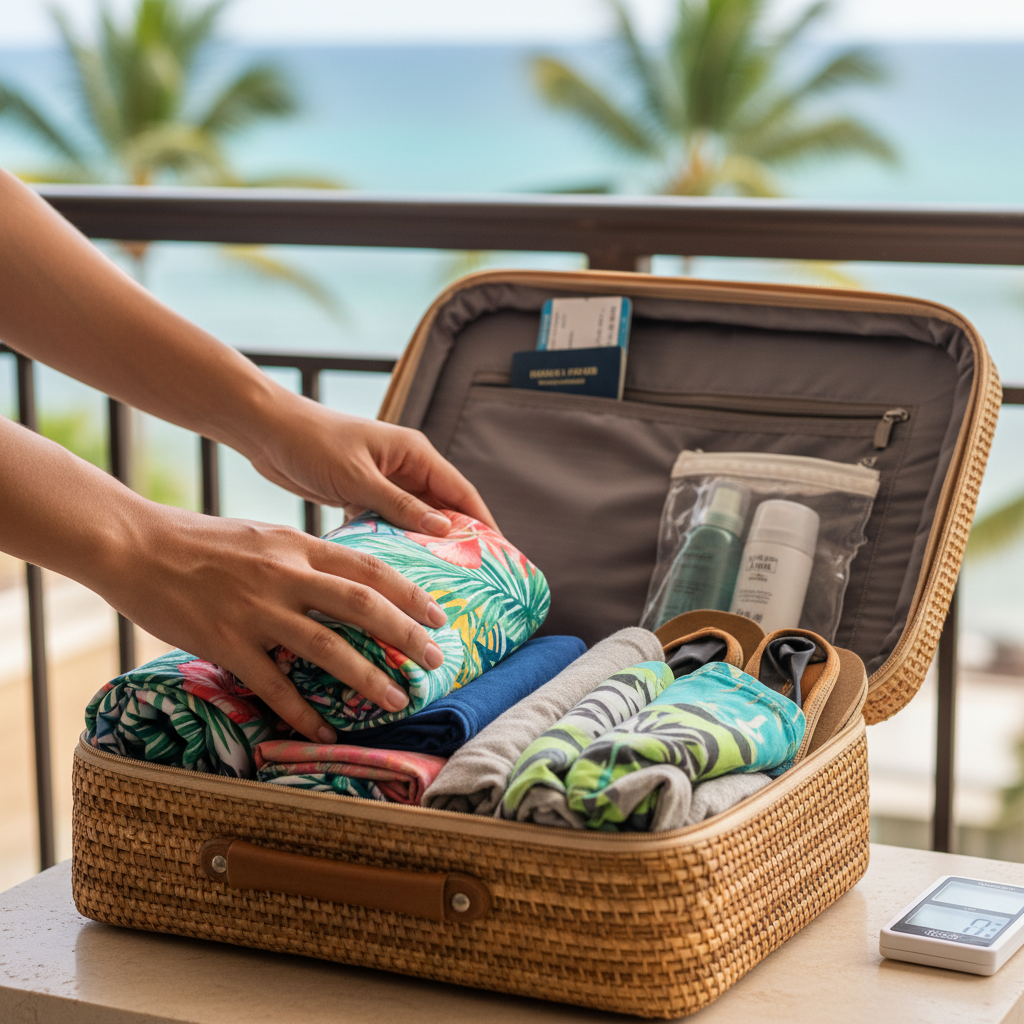
- Rolling vs. Folding: For many items, rolling clothes tightly can save space and reduce wrinkles. Experiment to see what works best for different garments.
- Packing cubes: These organizational wonders compress clothes, compartmentalize your belongings, and make it easy to separate outfits, dirty laundry, or specific categories of items. They streamline packing and unpacking.
- Stuffing small items: Utilize every nook and cranny. Stuff socks, underwear, and small accessories inside shoes.
- Wear bulky items: As mentioned, wear your heaviest shoes and jacket on the plane. This doesn’t count against your bag’s weight or volume.
- Vacuum-seal bags (with caution): While excellent for compressing clothing, remember that vacuum sealing removes air but not weight. Use them strategically, perhaps for bulky items like a winter coat that you’re only wearing once. Be mindful that they can sometimes lead to excessive weight.
Forgetting the "Travel-Sized" Rule: Toiletries and Liquids Overload
The TSA’s 3-1-1 rule for liquids in carry-on bags is well-known, yet many travelers still make the mistake of bringing full-sized toiletries or too many small bottles. This not only violates regulations, potentially leading to confiscation, but also adds considerable weight and bulk to your bag.
How to avoid it:
- Adhere to 3-1-1: All liquids, aerosols, gels, creams, and pastes must be 3.4 ounces (100 milliliters) or less per container and fit in one quart-sized bag.
- Decant into reusable bottles: Purchase a set of empty, reusable travel-sized containers and fill them with your preferred shampoo, conditioner, lotion, etc. This is more eco-friendly and often cheaper than buying pre-filled travel sizes.
- Consider solid alternatives: Shampoo bars, conditioner bars, solid toothpaste tabs, and solid deodorant eliminate the liquid restrictions entirely.
- Utilize hotel amenities: For short trips, consider relying on the complimentary toiletries provided by your accommodation.
- Minimalist makeup: If you wear makeup, pare down to the essentials. Consider multi-use products like tinted moisturizer or lip-and-cheek stains.
Overlooking Laundry Options: Packing for Every Single Day
A common error, especially for longer trips, is packing a unique outfit for every single day. This rapidly expands the size and weight of your luggage. Unless you’re attending a highly specific event every day, this is rarely necessary.
How to avoid it:
- Plan for laundry: Research if your accommodation offers laundry services, if there are local laundromats (wash and fold services can be a lifesaver), or if you’ll be able to hand-wash items.
- Pack enough for 5-7 days: Even for a two-week trip, packing enough outfits for about a week, with the intention of doing laundry once or twice, is far more efficient.
- Bring a travel laundry kit: A small bar of laundry soap, a universal sink stopper, and a lightweight clothesline can transform a hotel bathroom into a functional laundry room.
- Underwear and socks are exceptions: While you can wash these, packing enough pairs for slightly longer than your outfit rotation can be convenient, as they are small and light.
Not Weighing Your Bag Before Heading to the Airport: The Gate Agent’s Surprise
This mistake ties directly into the baggage fee issue but deserves its own emphasis because it’s a completely avoidable pre-flight stressor. Many travelers pack, assume their bag is fine, and then face the dreaded scale at the check-in counter or, worse, at the boarding gate. The fees for overweight bags at the last minute can be exorbitant, sometimes exceeding the cost of a new item.
How to avoid it:
- Invest in a luggage scale: These are inexpensive and invaluable. Use it after you’ve finished packing and before you leave for the airport.
- Know your limits: Memorize the carry-on and checked bag weight limits for your specific flight.
- Have a contingency plan: If your bag is overweight, have a strategy. Can you wear more layers? Can you transfer heavier items (like books or electronics) to your personal item? Are there items you can leave behind?
- Prioritize packing heavy items in your personal bag: If you’re on the edge, move denser items like books, camera equipment, or heavy chargers into your personal bag, as these are rarely weighed by airlines unless they appear excessively large.
Forgetting Essential Documents and Medication: The True Non-Negotiables
While the focus is often on what not to pack, a common mistake is forgetting critical items that truly cannot be replaced or easily acquired. These omissions can create significant headaches and compromise your trip, far more than forgetting an extra shirt.
How to avoid it:
- Passport/ID and travel documents: Always double-check you have these. Carry physical and digital copies. Consider a money belt or secure neck wallet for vital documents.
- Medications: Pack all prescription medications in their original containers with clear labels. Bring extra, just in case of delays. Keep them in your carry-on bag, not checked luggage. Also, pack any essential over-the-counter medications you rely on (e.g., allergy medicine, pain relievers).
- Chargers and adapters: Ensure you have the correct chargers for all your devices and any necessary universal travel adapters for international trips.
- Emergency contact information: Keep a physical list of emergency contacts, your doctor’s information, and travel insurance details.
Final Considerations
Packing light is a skill that improves with practice and experience. It requires a shift in mindset from “what if” to “what is truly necessary.” By understanding and actively avoiding these common packing mistakes, you can significantly enhance your travel experience. You’ll spend less time wrestling with heavy bags, less money on unexpected fees, and more time enjoying the journey itself. Embrace the freedom of minimalist travel, and you’ll discover that often, less truly is more.